
PORTUGAL
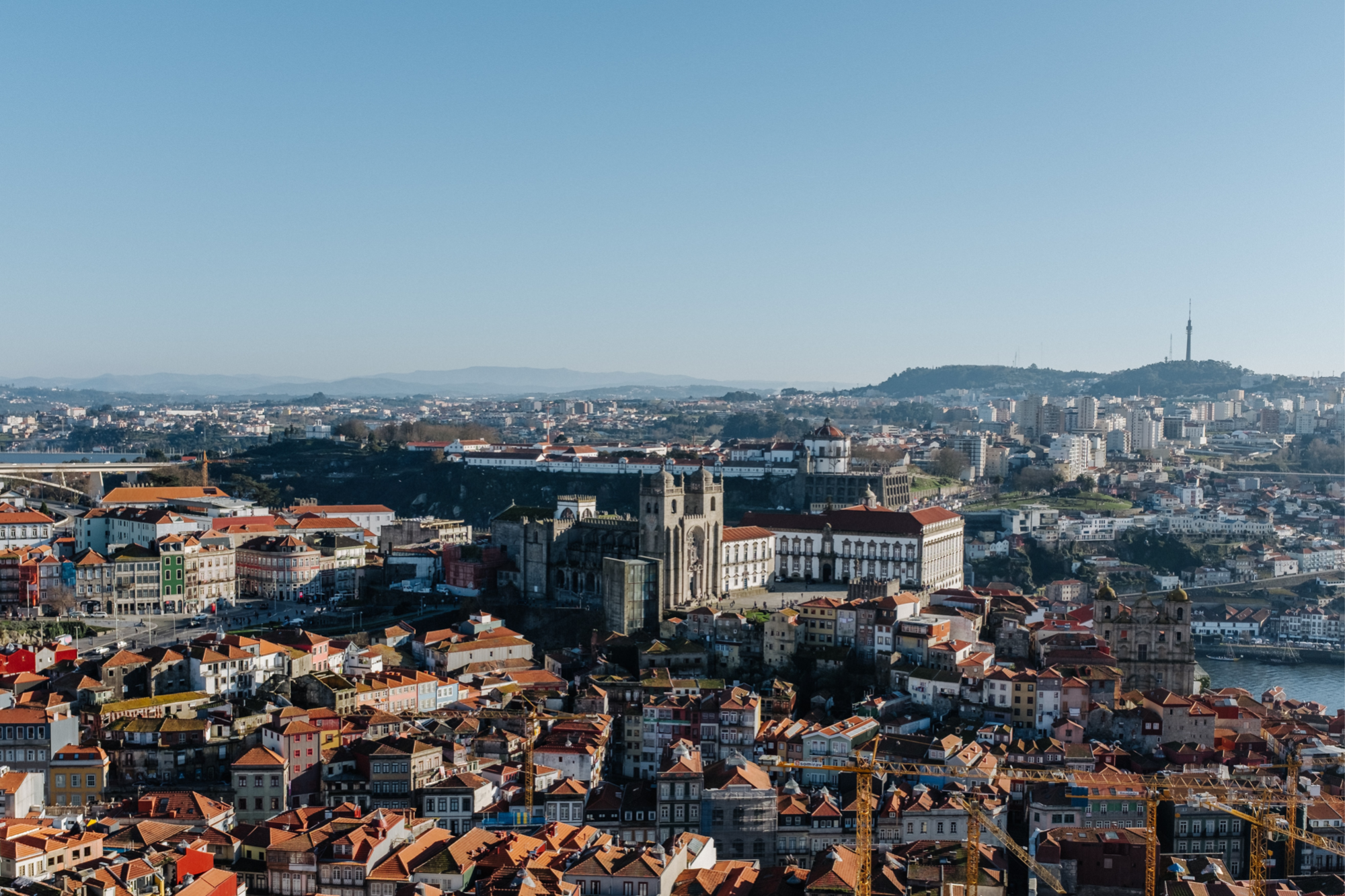
Portugal is a popular destination for tourists and digital nomads, which increases rental demand. In this summary we will try to cover some aspects of the local real estate market, immigration opportunities and many more points that would be crucial for those who are interested in investing and making business in such a beautiful and truly magical place of our planet.
Let's start with some main destinations.
Lisbon
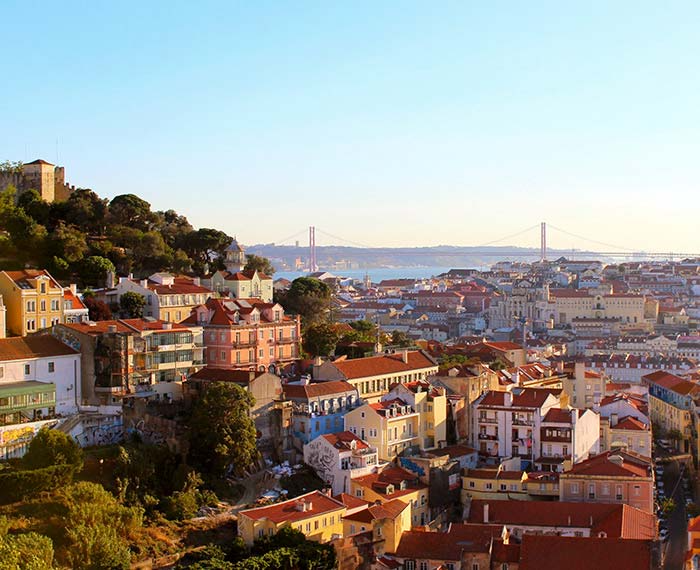
Lisbon is the heart and soul of Portugal. Considered one of the cheapest European capitals, it increasingly draws investors and expats alike. Many tech companies and startups started moving to Lisbon, turning the city into a lively economic hub. The real estate market in Lisbon is hot. The prices in some sections of the city, such as Avenida da Liberdade, Lapa, and Baixa Chiado increased in value dramatically with the incoming demand. Yet, many buyers and investors are still turning their eyes towards these trendy neighborhoods. If you’re looking for cheaper options, moving further away from the city center helps. Some good examples are the neighborhoods of Amadora and Benfica. Many young professionals choose to live in Cascais and Estoril.
It makes a lot of sense to be based in these coastal towns, as they are only 30-40 minutes away from Lisbon by car and cheaper in terms of property prices.
Lisbon offers many features that make it an attractive destination for buying property. Lisbon has a strong and growing economy, as well as a favorable tax system. Besides, the city has seen an influx of young people in recent years, which means that property prices are on the rise. According to the reports released by Confidencial Imobiliario, housing prices increased 4.9 percent in Lisbon during the second quarter of 2021, when compared to the previous quarter. The average housing sale price during the second quarter was €3,833 per square meter.

Lisbon has a growing popularity among international property investors. Portugal Golden Visa Program plays a huge part in this. Besides, some major corporations like Amazon and Google opened offices in the city. These factors have increased the popularity of Lisbon.
The city is now one of the top real estate markets in Europe. With that said, there are plenty of reasons why buying a house in Lisbon could be profitable:
An Investor’s Paradise
The Portuguese economy has a history of ups and downs, but it seems to be on the upswing now. Lisbon real estate market is growing steadily with new investment incentive policies. These incentives are turning the city into an urban utopia for both businesses and residents alike. This growth is evident not only through a rise of new businesses and urban renewal projects throughout Lisbon but also by way of increasing foreign investment. Investors from China and Brazil are pouring money into major developments across the country.

Continuous Growth
Lisbon is a city that aims to be competitive with the other cities in Europe. The city is attracting more and more businesses from all over the world. For example, Volkswagen and Mercedes-Benz have opened tech hubs in the city. With landmarks like Hub Creativo Beato – the world’s largest startup hub (three times larger than the current largest in Paris) – Lisbon will soon be home to innovative companies and startups from all over Europe and the world – not just Portugal.
Tax Benefits
In 2004, Portugal removed inheritance tax and allowed fiscal benefits for retirees. This has created a new type of immigration to the country which is composed of qualified professionals looking to enjoy a fantastic quality of life while investing wisely.
New short-term registrations are prohibited in the following districts of the capital:
1. Alfama
2. Mouraria
3. Castelo
4. Bairro Alto
5. Madragoa
6. Graça
7. Colina de Santana
Porto
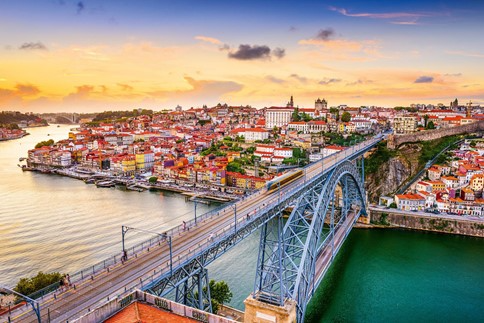
Porto is located in northern Portugal. The city is known for its vibrant culture, world-famous wines, rich heritage, and stunning architecture. There are also many beautiful beaches in and around Porto.
Porto has many districts that have different characteristics. The good thing is, there are houses available for every budget. In some districts, average house prices are €2,000 per m² while in some it’s around €3,500 per m². If you’re looking for a house in Portugal and can’t decide between Lisbon and Porto, note that prices are cheaper in Porto.
Porto has many things that make it such a great place to live: The beautiful scenery, good climate, and low cost of living, and beautiful cuisine. It’s also one of the safest cities in Europe. All these points make expats want to call Porto their second home. According to a survey by Sumo Finans, it’s the best city to live in as a family, thanks to its family-friendly sites, the abundance of green areas, and safe environment.
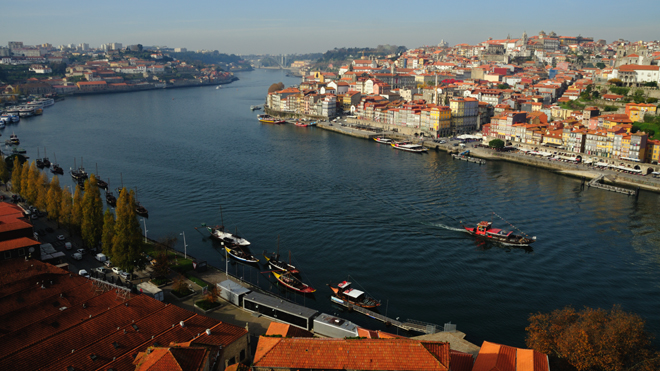
Let’s analyze some of the prominent reasons to invest in Porto real estate:
Culture
Porto is a city with an eclectic culture. It has a vibrant atmosphere and beautiful architecture that make it such an appealing place to live!
You can find museums, theaters, shopping centers as well as many great restaurants at your fingertips in Porto. The best part? You can do all this on foot for the most part, which means you can be a tourist in your own city! Most importantly, Porto is a literate city and home to the third most beautiful bookstore in the world. The Livraria Lello bookstore was opened in 1881 and is considered the most ornate bookstore in the world that mixes Art Deco and Neo-Gothic elements.
You can experience the cultural energy in the international festivals that the city promotes throughout the year in a range of domains, including theater, contemporary dance, cinema, and literature.
Continuous Growth in the Real Estate Market
Porto has seen an increasing demand for real estate investments over the years and currently, there are many international buying opportunities in Porto due to its low prices and high demand. Porto is also a hub for new industries, such as the cultural sector. So, you can see both commercial and residential developments taking place all around the city. Considering the high prices in other prime locations in Europe, the prices are affordable. If you’re looking to invest in a house for rental purposes, Porto can be a good choice. Renting out your property during the tourism season can yield up to between 4 to 6 percent.
Most Popular Neighborhoods in Porto

Porto has a lot of great neighborhoods, but some are more popular than others. If you’re looking for the best possible buying opportunity in Porto, these are worth checking out.
Ribeira
The Ribeira neighborhood is located near the riverfront and it has steep hills, picturesque views of Porto’s most famous monuments. You can find old buildings here with traditional Portuguese architecture. It’s a great place to be if you want to enjoy some of Portugal’s history while enjoying its modern lifestyle.
Foz do Douro
The Foz do Douro is a large residential area that is situated on the coast. It has some of Porto’s most beautiful beaches and promenades, which offer great views of the city.
Campanhã
The Campanhã is where Porto’s railway station and airport are located. If you want a more residential area with roads that offer excellent transportation, this might be the place for you.
Vila Nova de Gaia
The Vila Nova de Gaia is a town just outside of Porto which has an industrial past. Now, it’s used for commercial and residential purposes! It is a preferred neighborhood by expats because it’s calmer and less urban.
New short-term registrations are prohibited in the following districts of the capital:
1. Centro histórico
2. Bonfim
Madeira
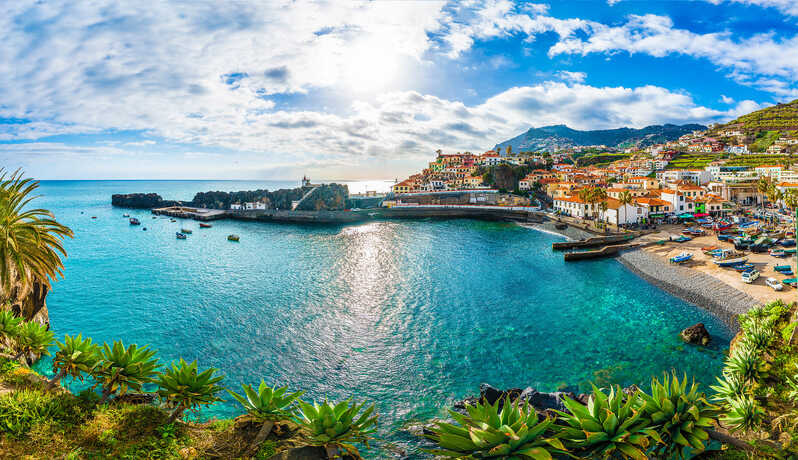
The islands of Madeira are perfect for expats looking to escape to an island of paradise. The relaxed pace of life, the multitude of activities, and the incredible food scene are just a few of the reasons. For investors, the strong potential for real estate investments is also an exciting opportunity.
An active lifestyle is basically synonymous with Madeira. You constantly have an array of things to do around you. From hiking, yoga, diving, golf, there are many things to keep you occupied. Living in Madeira day-to-day, you will quickly come to pick up a relaxed routine, living completely stress-free. The islands have a rich culture, with museums, music festivals, and art exhibitions.
Alongside the cultural delights, the cuisine of Madeira is very good. It is no surprise that seafood and fish dishes take center stage. However, alongside this, you have very good meat, fruits, and vegetables. Try the espetada (grilled meats or fish on a skewer) that are particularly good. Or the lapas (limpets), which are a specialty of Madeira, and a must-have if you like seafood.
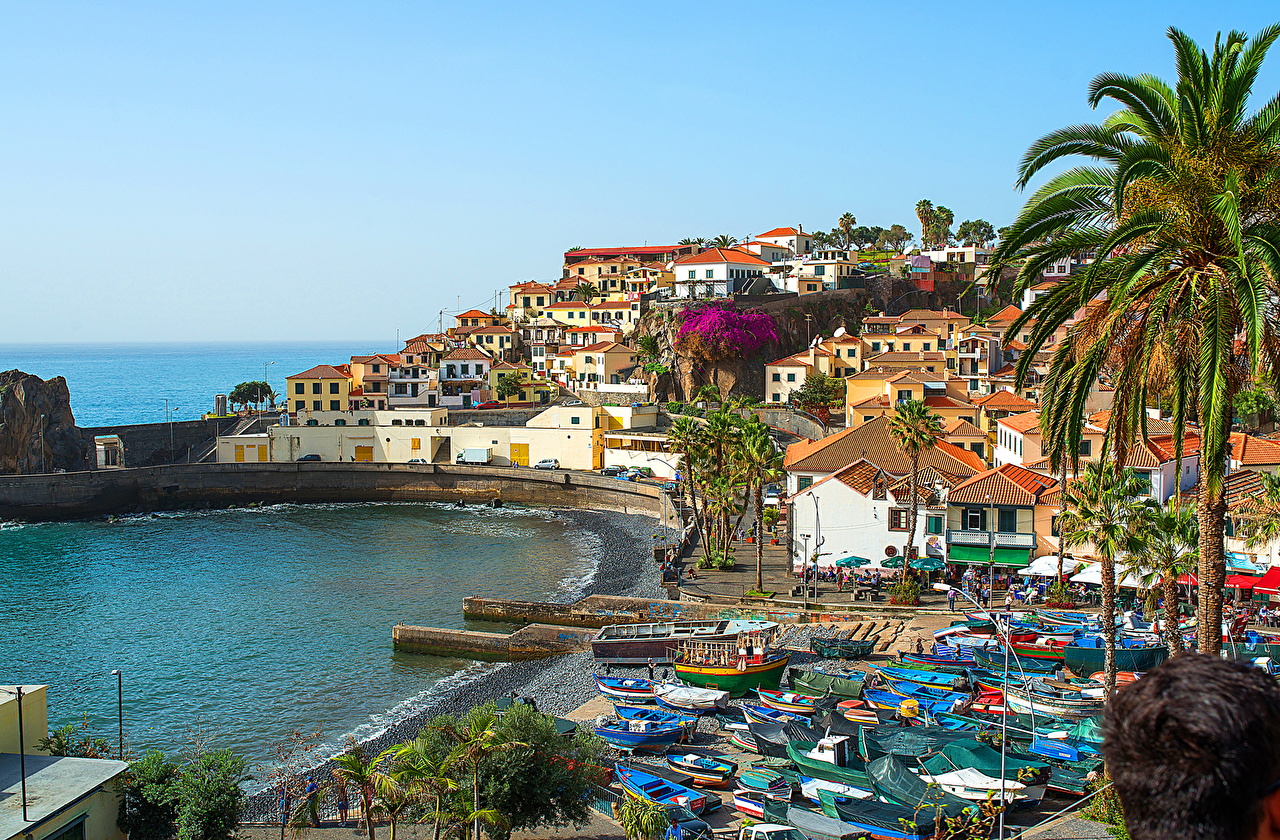
The small size of the islands makes getting around very accessible. In under an hour from Funchal, you can explore the wild north of the island and the picturesque town of Porto Moniz. Or traveling east, you can reach the splendid village of Jardim do Mar, entrapped in the mountains and with the Atlantic Ocean spread out before it.
The second inhabited island, Porto Santo is a true wonder, with nine kilometers of pristine white beaches. If you are looking to unwind completely, then this is the place for you. The ferry across from Funchal takes around two and a half hours and allows you to see the Atlantic Ocean up close.
There is a booming luxury market in Madeira. You can expect to find all the amenities that you would expect to find in New York, Paris, or London. There are seven Michelin-starred restaurants in Madeira, offering spectacular dishes that are continually pushing the boundaries.
For retirees, the islands are perfect. With a strong expat population, you will not be overwhelmed by a completely unfamiliar culture. English is also widely spoken on the islands and there are good healthcare facilities on the islands. If you are a Portuguese resident, you will also have access to the National Health Service of Portugal and need only pay small costs for treatment. This is free for over 65 year olds. Retirees in Madeira are also able to have access to the non-habitual residence (NHR) scheme, where you can have significant tax benefits for ten years.

Madeira has a very unique climate, regularly described as experiencing four seasons in a day. The islands enjoy balmy weather because of their geographical location and mountains – the only flat part of the island is the airplane runway. Madeira has moderate humidity and average temperatures standing at 77°F (25°C) in summer and 63°F (17°C) in winter. Indeed, while much of continental Portugal experiences colder winters, those lucky to live on Madeira can be seen in summer attire.
The climate is one of the reasons why most of the development is focused on the south coast of Madeira island. Here the climate is generally more stable. The annual average air temperatures are also higher on the southern coast and fall as you move inland in parallel to altitude. Rainfall is also higher on the northern coast than on the southern coast.
Why Invest in Madeira Real Estate?
There are several pull factors when it comes to investing in real estate in Madeira. Indeed, Madeira, alongside the Azores, is deservedly stepping into the limelight as one of the biggest investment opportunities – with a little help from the Portugal Golden Visa changes that kicked off on 1 January 2022. In the coming years, Madeira is set to be one of the most exciting places to invest.
From 1 January 2022, the Portugal Golden Visa allows investors to only invest in residential real estate in interior areas of the country. This rules out the current hotspots of the country, such as Lisbon, Porto, and much of the Algarve. The implications of these changes will increase development in other parts of the country. This will include the island of Madeira, for investors that are looking to secure residency-by-investment through real estate and that are unable to invest in the current hotspot locations, when the changes come into play. Additionally, Madeira is one of the safest locations in the world. While Portugal itself is the third safest country in the world, trailing behind only Iceland and New Zealand, Madeira has an even lower crime rate – a positive for incoming investors.
Real Estate in Madeira - Prices
Properties in Madeira tend to be cheaper than in other areas of Portugal and cash buyers are in a very good position to negotiate. What’s more, during the first phase of COVID-19 in 2020, house prices increased, indicating that the real estate market is in good shape. Prices vary depending on the parish. Funchal is the most expensive place to buy property on the islands – given its higher demand and abundance of services. The average asking price for an apartment in Funchal stood at €2162/m2 in 2020, while other parts of the island were considerably more affordable. Note that this is the asking price, so properties can be sold for more or less than this price.

Funchal is definitely the place to find luxury properties on the island and is the most developed part of the island. Here you will find fine dining, five-star hotels, and a marina. As the weather is more stable here, this is where the bulk of the development and properties are. Funchal is not only the prime tourist destination but also the political and economic center of the islands.
Santa Cruz, Câmara de Lobos, and Machico are also good locations, where you will be able to find beautiful villas for sale in Madeira. Regardless of investment options, Madeira is booming in terms of real estate, with a growing number of tourists each year.
Algarve
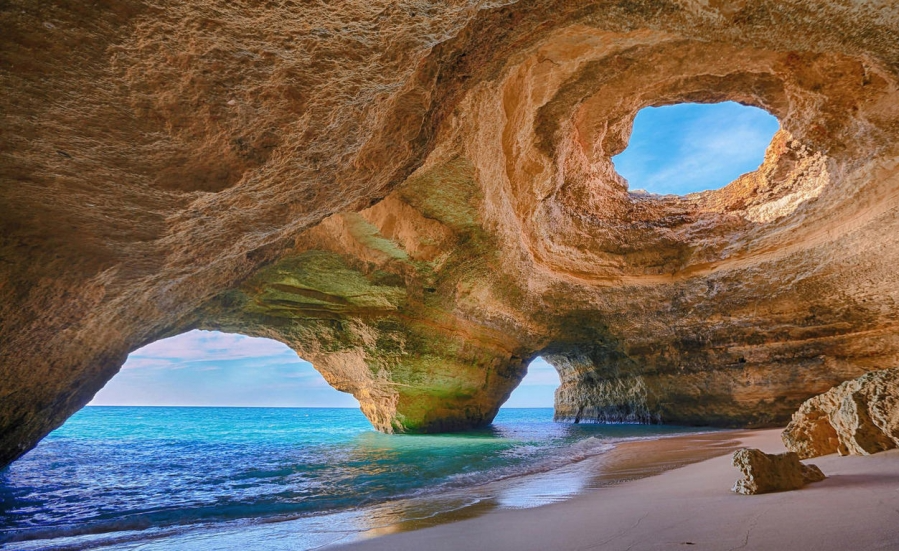
Algarve has always been a favorite spot for tourists around the world. Although its historical popularity among travelers has been ever-existent, its impressive performance in the real estate sector is relatively new. Algarve already hosts a broad community of expats which is yet another factor luring many investors and potential residents into the region.
The cheapest property options in the Algarve region are found in the Portimao district which is around €2,100 per square meter. The options range towards more expensive and luxurious ones that are mostly found in the Vilamoura district where the prices go up to approximately €3,300. Please note that the prices might vary depending on the size, exact location, and conditions of the property. If you’re planning to buy a property in the Algarve region, it’ll be wise to check the property taxes beforehand.
General Information About Algarve

The Algarve is a region that involves 16 municipalities. The region that covers the south coast of Portugal has several very famous municipalities including Lagos, Albufeira, Portimao, Carvoeiro, Loulé, Tavira, and Vilamoura.
As mentioned, Algarve has always been a popular tourist destination, and one of the main reasons for this is the amazing climate of the region and of Portugal in general. The Algarve enjoys more than 300 sunny days each year with hot summer days and very mild winters. The hottest month in the region is July. The temperature reaches 33 degrees Celsius. The coldest month, on the other hand, is January and the average temperature throughout January is around 12 degrees Celsius.
Naturally, with an amazing climate and long, beautiful coastline, the Algarve is home to many world-class beaches. The only downside to this is the difficulty of choosing. The southern coastline of Portugal is famous for its incredible limestone rock formations, and thus, beaches in Algarve offer a great selection of these formations along with the beautiful views of the sea and the sunset. Also hosting countless arches and caves thanks to these rock formations, Algarve has more than several great beaches including Benagil caves, Ponta de Piedade rocks, Praia da Marinha, Quinta do Lago, and Praia da Rocha.
Algarve Neighborhoods and Property Prices

Eastern Algarve covers the area between Faro and Spain. This one is the least developed of the three parts. It involves the Ria Formosa Natural Park with its amazing lagoons. Eastern Algarve’s main hotspot is the cosmopolitan riverside town Tavira, which was once a fishing town.
Filled with authentic Moorish houses, Tavira offers its one-bed flats for around €100,000 each. A villa in this charming town will cost more than €140,000. If the desire is to stay close to the Spanish border, Vila Real de San Antonio and Castro Marim are other hotspots that might be interesting.
Central Algarve is the most populated part of the Algarve. With its countless possibilities, Central Algarve is the favorite destination of buyers. This region covers Vilamoura which is a highly populated section that is built as a resort with its own big marina and golf course. Vilamoura includes luxury hotels, sports facilities, clubs, and many other attractions. In this area which is very close to the airport, investors may purchase a large villa with a good view for around €600,000.
Albufeira in Central Algarve is another option which is only 30 minutes away from the airport. This cobbled old town offers something for everyone. Here, one-bed apartments cost around €120,000, two-bed apartments around €140,000-150,000, and three-bed apartments with a view of the sea around €500,000.
Western Algarve hosts many authentic fishing villages and breathtaking beaches. This region’s main destination is Lagos. Lagos is home to top-quality fish restaurants, vibrant nightlife, amazing beaches, and a diverse population. Here, prices for a one-bed apartment are around €100,000 and around €250,000 for a villa.
Culture and Lifestyle of the Algarve Region

The Algarve region of Portugal is home to many festivals and cultural activities throughout the year. These festivals often include culinary and musical activities. Music festivals in the region often take place in summer. One of the most famous festivals in the region is held in Loulé. The festival is a very colorful one involving music, costumes, and dancing. It is also the oldest carnival of Portugal in general. There are other historical festivals that are held in Silves and Albufeira.
The climate of the region also lures residents outside of their houses and enables them to have a social lifestyle. With many possible outdoor activities along with the spectacular geography of the region, such as hiking, trekking, cycling, and running, residents of Algarve never have trouble socializing. The region also has more than twenty Michelin-star restaurants which gives a rough idea of how well the cuisine in Algarve is.
The Silver Coast

The Silver Coast of Portugal is a popular destination for expats seeking an affordable life in Europe. It’s a region on the Portuguese coastline where you’ve access to beautiful beaches and great weather. Many different beach towns offer something for everyone, whether it’s luxury or budget accommodations.
Moreover, the Silver Coast has plenty of activities for those who love adventures, including surfing and hiking. Hence, this coastal area is perfect for individuals who want their piece of paradise within Europe. So, if you’re interested in buying a property in Silver Coast, here’s the detailed guide on the region’s real estate scene.
The average property price in the Silver Coast ranges between €250,000 and €1 million. A two-bedroom apartment in the central area might cost you around €70,000.
Silver Coast is among Portugal’s most sought-after spots for people wanting a second home. Moreover, it has lower cost of living rates than other parts of the country that make buying property more accessible as well as great real estate prices. Let’s explore a few reasons why you should consider buying a property in the Silver Coast Portugal.
Favorable Property Prices
The Silver Coast of Portugal is a picturesque place filled with beaches and stunning architecture and offers excellent living spaces at affordable prices. The low cost of real estate will make it feel like every penny was worth spending, especially since you get to enjoy a fantastic view from wherever you live. Whether traditional or contemporary living spaces are more up your alley, there are plenty out there waiting to be explored and enjoyed.
High-Quality Life
One main reason why many people would like to relocate here or invest their money is that they want to take advantage of this beautiful town where everything can be enjoyed on any budget. It’s a perfect place if you want a laid-back and relaxed lifestyle. Besides, the residents are friendly, welcoming, hospitable with foreigners who come into their community. With schools, hospitals, and businesses available in every corner of town, you’ll never be too far from what you need.
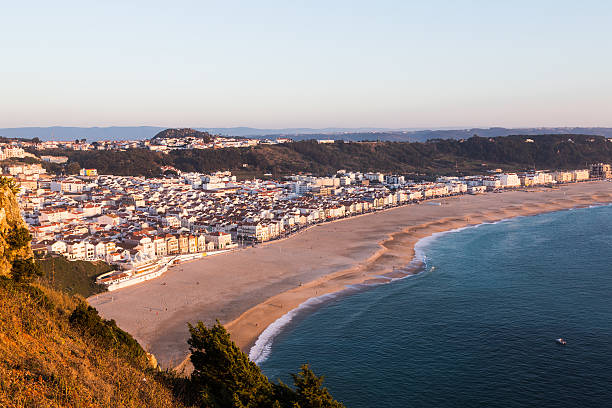
Spectacular Coastline
Around every corner of this Portuguese paradise, you’ll find some of the most pristine beaches in the world. From down south by Sao Martinho do Porto to up north at Foz do Arelho, where the ocean meets the lagoon, there’re incredible sights for days. São Martinho do Porto, the family-friendly vacation destination and one of Portugal’s best beaches lies in this region. Apart from a beautiful sunset, you can also enjoy water sports such as sailing, paddle, or jet skis. Besides, Praia do Norte beach is famous for big waves and is a popular fishing spot, so you get to try the local cuisine and experience their culture firsthand.
Connectivity To Central Location
The Silver Coast is situated at the heart of Portugal with a fabulous road network. With railroads and highways nearby too, there are no problems reaching your destination from this place. Besides, the airport can also be reached within just one hour if needed. In addition, buses make getting around easy for those who don’t prefer driving or flying.
Events All Year Round
The Silver Coast in Portugal is a magical destination for beach lovers and nature adventurers alike. The Atlantic coast offers the cool summer breeze, while Nazare provides plenty of waves to go around every day. From January through December, there’re plenty of activities ranging from surfing schools near Lisbon down south into the Algarve.
Where To Buy Property In The Silver Coast

Now that you already know what Silver Coast has to offer, have a look at the places in the region where you can buy a property.
Óbidos
Óbidos is an old but beautiful and quaint town. It’s an excellent place to go if you’re looking for some peace or want to take in some history. With easy access to major highways like A8, Óbidos can easily be reached from anywhere. Moreover, the medieval buildings are preserved, and they host festivals with fun events such as chocolate, opera festival, or Christmas village every year.
Nazaré
Nazaré is a beautiful coastal city that’s only a 1.5-hour drive from Lisbon and has natural beauty, quality of life, urban centers nearby, and everything you need. Nazaré also offers beaches for those looking to move there as well as an affordable cost of living.
Peniche
The Portuguese town of Peniche is a paradise for those looking to live out their retirement or have an adventure. Moreover, the windmills and crystal clear waters are only the beginning, as romance awaits you around every corner.
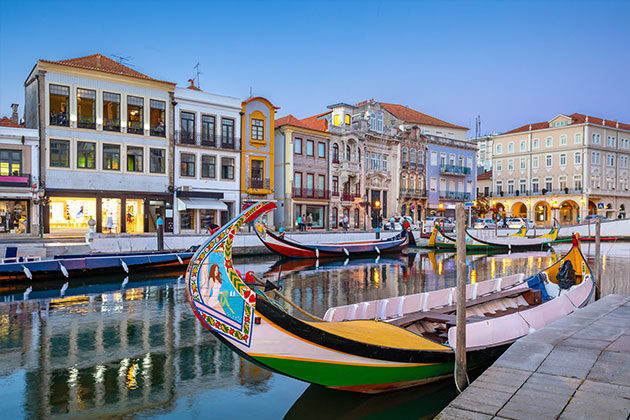
Torres Vedras
From great beaches to surfing adventures, Torres Vedras is perfect for any adventure-seeker or someone who wants a more relaxed lifestyle away from the hustle and bustle of Lisbon.
Coimbra
A great city with a deep cultural heritage, Coimbra is where the first Portuguese university resides. With accommodation options being so affordable and profitable with many students looking for living space in this city, it’s no wonder more people are choosing to live here instead of other towns around Portugal.
Overview of the Property Market in Portugal
Now that we've got to know some of the most popular Portugal destinations, let's look at the local property market.
Like the rest of the world, Portugal suffered through many economic troubles in the past. The real estate market got its share of the 2008 global economic downturn. The average value of homes lost around 11% between 2011 and 2012.
Luckily, after a low point in 2012, the market started to recover in 2013. A successful recovery occurred between 2013 and 2014, and the market began to grow steadily from 2015 onwards. The real estate market closely mirrors the overall Portuguese economy. Since 2016, Lisbon’s real estate has been growing in value at an annual rate of around 2.5 percent. But, that’s not the most impressive market growth in Portugal, some areas such as Santa Maria da Feira have shown unprecedented annual growth of about 12 percent. As you know, the secret with real estate purchases is location, location, location. Some areas in the Portuguese real estate market did not perform as well growth-wise. The towns of Coimbra and Guimaraes exhibited a growth of only about 0.9 percent annually.
Portugal’s housing market has, like other nations worldwide, been affected by the COVID-19 health crisis. Before the pandemic, house prices were steadily climbing - with prices in Lisbon, Porto and the Algarve seeing the biggest increase. In fact, property prices in the Algarve shot up by 50% between 2016 and 2020.
The property market in Portugal has not emerged unscathed from the pandemic, as prices have dropped slightly - by 3% in Lisbon in 2020, for example. But with the world beginning to open up again and demand from foreign buyers increasing, it’s hoped that the market will pick up considerably in terms of both buying activity and property prices.
Property Prices
What you will pay for a property in Portugal will differ dramatically depending on where you choose to buy. Choosing where to buy, of course, depends on your purpose of acquisition. Retirees, for example, often pick the coastal towns in the Algarve or Cascais, while young professionals prefer more urban places such as Lisbon or Porto. In the table on the right, you’ll find the average price and also the highest and the lowest prices per m² of various neighborhoods.

Appreciation of Property Values
Portugal’s housing market is now strengthening, thanks to a sharp recovery in demand amidst improving economic conditions.
During the year to October 2021, the median price of properties in Portugal surged 10.61% (8.63% in real terms) to €1,251 (US$1,414) per square meter – almost twice the y-o-y growth of 5.8% recorded in October 2020, according to figures released by the Instituto Nacional de Estatistica (INE). Property prices in Portugal started to recover in 2014 and have been rising since. House prices rose by 4.9% in 2015, 5.7% in 2016, 7% in 2017, 9.7% in 2018, 11.7% in 2019 and 6% in 2020. In the Lisbon metropolitan area, property prices were up by 10.31% (8.33% in real terms) in October 2021 from a year earlier, to a median price of €1,659 (US$1,876) per sq. m.
By region:
- In the North, the median property price rose strongly by 9.16% y-o-y in October 2021 (7.21% in real terms), to €1,084 (US$1,226) per sq. m.
- In the Center, property prices rose by 6.15% y-o-y in October 2021 (4.25% in real terms), to €880 (US$996) per sq. m.
- In Alentejo, property prices rose by 5.69% (3.8% in real terms) y-o-y to €873 (US$988) per sq. m.
- In Algarve, property prices rose by 7.94% (6% in real terms) y-o-y to €1,673 (US$1,893) per sq. m.
- In the Azores, property prices increased 2.04% (0.21% in real terms) y-o-y to €951 (US$1,076) per sq. m.
- In Madeira, the median property price rose strongly by 9.54% (7.58% in real terms) y-o-y to €1,286 (US$1,455) per sq. m. in October 2021
By property type, apartment prices rose by 11.78% (9.78% in real terms) while house prices increased 6.65% (4.74% in real terms).
Demand is recovering strongly
During the first three quarters of 2021, the total number of housing transactions in Portugal rose by 25.4% y-o-y to 153,076 units while the value of transactions increased 33.3% to €24.86 billion (US$28.16 billion), according to INE. All regions saw double-digit transaction increases over the same period. This is in contrast to a 5.3% decline during 2020.
Construction activity is rising. Licensed dwellings in new constructions for family housing rose by 12.5% y-o-y to 23,348 units in the first ten months of 2021, according to the INE. Algarve saw the biggest increase in construction activity of 43% y-o-y in Jan-Oct 2021, followed by Alentejo (17.9%), Lisbon AM (15.2%), and Norte (12.7%). Other regions saw modest increases, including Centro (2.9%), autonomous regions of Azores Islands (4.1%) and Madeira (4.3%).
The Portuguese economy contracted by a huge 8.4% in 2020 from a year earlier, following expansions of 2.2% in 2019, 2.6% in 2018, 3.5% in 2017, and 2% in 2016, amidst the coronavirus outbreak. The Banco de Portugal expects the economy to return to growth in 2022, with a projected real GDP growth of 4.8% – but still not enough to return to its pre-pandemic level. Projections from the International Monetary Fund (IMF) and the European Commission (EC) are even more conservative, projecting modest growth of 4.4% and 4.5%, respectively.
Demand is rising again
During the first three quarters of 2021, the total number of housing transactions in Portugal rose by 25.4% y-o-y to 153,076 units while the value of transactions increased 33.3% to €24.86 billion (US$28.16 billion), according to INE.
House prices already 40% above pre-recession levels

As of October 2021, Portugal’s nationwide house prices were about 40% above their previous nominal peak, seen in 2010. The housing market began to recover in Q4 2014, after 13 consecutive quarters of y-o-y house price declines.
By region, AM Lisbon’s house prices are now about 50% above its previous peak. Also, house prices in both Algarve and the North are now more than 40% up. House prices in the Centre are up by 20%. In Alentejo, prices are now above their previous peak by about 7%.
Likewise, house prices in the autonomous regions of Azores Islands and Madeira are up about 11% and 13%, respectively.
Lisbon’s rental yields are good
Apartments in Lisbon continue to obtain good rental yields, ranging from 4.5% to 6.7%, according to the Global Property Guide research. As a reminder, the rental yield is the total percentage return you would earn as a landlord, when renting out your property. Smaller apartments tend to be most profitable. A 50 sq. m. apartment in Lisbon returns around 6.32% rental yields, whereas a 250 sq. m. apartment returns only 4.5% rental yields. Good rental yields are also to be had from villas in Lisbon ranging from 5.45% to 6.05%, and again the rule is the larger the villa, the lower the yield.
Gross rental yields from apartments in Algarve are moderate, ranging from 3.5% to 3.8%. Algarve villas have even poorer rental yields, at around 2.84% to 3.04%.
Comparison of Returns
There are four major factors that will determine the profitability: location, management, taxation and conditions of the property. Real estate in Porto, for example, has a 40% higher expected return than Lisbon, since the square meter is much cheaper. If you rely on a third party to manage a property, it will cost you, on average, 20% of total revenues. Those who don’t have this expense and do the management on their own, can expect a return of about 58% higher. Regarding taxation, real estate properties located within urban rehabilitation areas (ARUs) can have a 40% reduction in income tax. Investing in a property that needs renovation will reduce the purchase price by approximately 20% when compared to a new property. The yields obtained are higher, around 8% to 14% per year, but also involve more expenses. Investment scenarios are based on three main strategies:
1) buying off plan and banking on successful completion of a project,
2) buying a short-term or long-term rental property,
3) buying and renovating.
Buying Properties Off-plan – 20% to 100% return
The price difference between an empty lot and a ready and operating property is around 25% to 60% in Portugal. In a dynamic market, a project with good quality that has been priced correctly will have a potential for valuation between 10% and 25% on delivery. The advantage is that the investor can split the payment and give only 50% of the property to have access to 100% of the valuation. It is a way of leveraging the results.

Buying Properties that Need Renovation and Construction - 25% to 50%
Buying some land or a building to renovate represents margins of 15% to 30%, which alone is already very good. To achieve even more attractive results, it is possible to obtain financing of 100% of the construction investment, although banks generally do not finance the investment for the land. This strategy can provide returns ranging from 35% to 90%. Renovation projects are defined as when the building is more than 30 years old or it is in an area of urban redevelopment. The property has to be officially set up for renovation according to the local city hall. It also needs to be confirmed that the property qualifies for this investment route and the combined costs between the purchase and renovation are at a minimum, €350,000.
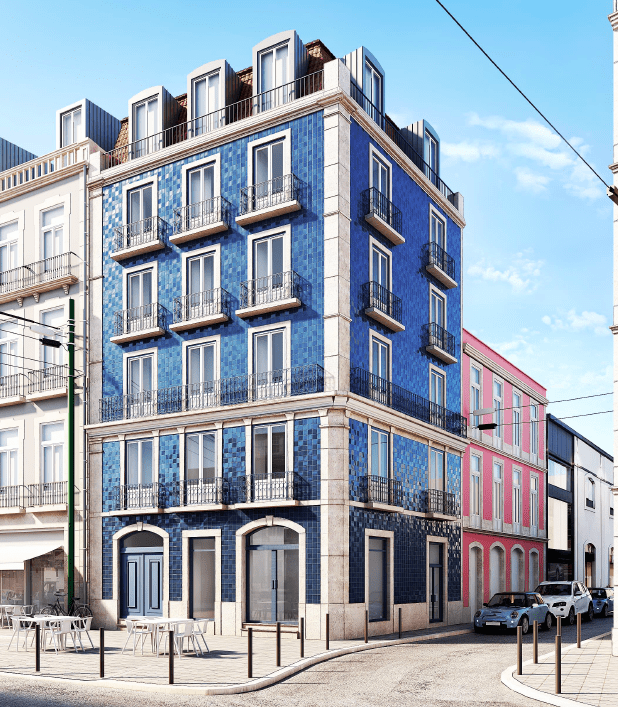
Long-term real estate rental in Portugal
Advantages:
- Certainty of fixed income
- Long-term rental contracts in Portugal last a minimum of 12 months, which means that you are guaranteed rental income.
- Less damage to property
- Tenants who stay for longer in your property tend to result in less damage than short-term tenants. This means lower maintenance costs.
- Lower management costs
- With just one tenant occupying the property for a long period of time, you don’t have to deal with check-ins and check-outs or cleaning.
Disadvantages:
- Lower rental yields
- The rental yields of short-term lets are far higher than those for long-term rental.
- Rent protection legislation
- Portugal has stringent protections for tenants, meaning you may find it difficult to remove tenants or raise the price of rent.

Short-term real estate rental in Portugal
Advantages:
- Higher rental yield
- Short-term rental in Portugal offers the opportunity for more returns for investors, particularly with the growing popularity of booking websites such as Airbnb. There are also many management companies in Portugal that can handle the property on your behalf.
- Personal use
- If you would like to use the property yourself, short-term rental gives you the flexibility to stay when you like.
Disadvantages:
- More hassle
- Short-term rental typically requires more involvement on behalf of the owner. It is also imperative that you find a good management company to handle the property.
- Short-term rental restrictions: recent legislation has placed restrictions on short-term rental in some areas of Lisbon and Porto, so it is therefore important that you check before buying real estate that you intend to rent.
Taxes on Property and Wealth in Portugal

When you buy a house in Portugal, there are some costs along with notary fees and administrative costs. You also need to pay specific taxes for your property. These taxes are obligatory when you purchase a property in Portugal. They are namely the immovable property tax (IMI), property purchase tax (IMT), and the tax on stamps (IS). Each of them is different and has its own calculation methods.
If you are not a resident but you buy a property in Portugal, you still need to pay taxes. This means that you are not considered as a resident in Portugal if you spend less than 183 days per year (tax calendar year). Non-residents are subject to taxation on their Portuguese-sourced income. In addition, married couples are subject to taxation jointly.
Below you can see what types of taxes you are subject to when you buy a property in Portugal:
Immovable Property Tax (IMI)
In Portugal, you need to pay a property tax (Imposto Municipal Sobre Imóveis) as an owner of a property. The tax rate differs according to each different municipality. The municipal assemblies determine their own rate. The property tax funds the Portuguese municipalities and it is used to maintain public infrastructures. You are liable to pay the IMI tax when you own the property on the last day of the respective tax year. So, in order to calculate the IMI tax you basically multiply the value of the tax asset (TPV) with the applicable rate.
Property tax rates range from 0.3% to 0.45%. While properties in rural areas are taxed at 0.8%, properties in more urban areas are taxed within the mentioned range. If a property has been re-valued since 2004, it will fall between 0.2% and 0.5%. If a property was valued before 2004, the rate will be between 0.4% to 0.8%. If the property is owned through a corporation that is resided in “black” listed jurisdictions, then the rate will be a straight 7.5% of the rateable value.

Exemptions on IMI tax
In some cases, there will be exemptions from the taxes on property (IMI). For example, if you are going to use the property as a permanent home or if you rent it out, it will be exempt from property tax for three years. Also, the rate will depend on the patrimonial value of the property. For this, it should be an urban property with a tax registration value up to €125.000, and it is held by an individual gaining a taxable income of up to €153.300 in the year before the purchase.
A permanent exemption is also possible. In this case, the annual taxable income of the household should not be more than €15.295. You need to make a request to Finanças to benefit from the exemption. The request must be done before the purchase of the house and when the property evaluation is complete.
Property Purchase Tax (IMT)
The IMT (Imposto Municipal sobre as Transmissões Onerosas de Imóveis) tax is collected each time a house is bought in Portugal. The rate is changeable according to the type and value of the property. The tax is calculated by the value declared in the deeds or on the rateable value. The higher one is maintained. You must pay this tax before you buy the property. You can calculate the IMT rate as follows:
IMT = Value of the deed or net worth tax (the higher of the two) x Rate to apply – tax abatement
The following three criteria are important for the calculation of this tax:
- Property type: Urban or rural
- Location of the house: Mainland Portugal or its autonomous regions
- Purpose of buying: Principal or secondary residence.
You can see the IMT rates for private property purchases for a primary residence in the table below.

Exemptions on IMT taxes
If the property is in mainland Portugal, and its value does not exceed €92.407, you don’t pay any IMT. In the same way, if it’s in an autonomous region and its value does not exceed €115.509, no IMT tax applies to the property. Additionally, the following circumstances also allow for tax exemptions:
- Purchase of properties for resale by real estate trading companies
- Purchase of properties aimed for urban rehabilitation
- Purchase of property or autonomous fraction of urban property aimed to install tourism complex to which has been attributed tourism utility
- Purchase of real estate by real estate investment funds for residential letting
- Cooperation arrangements of restructuring operations
- Purchase of buildings regarded as of national, public, or municipal interest
- Eligible investment under the Investment Promotion Tax Regime (RFAI). In this case, either an exemption or reduction of IMT is possible.
Other Circumstances regarding IMT
- Purchasing shares of a whitelisted jurisdiction corporation: No IMT
- Commercial & Building Plots: A flat rate of 6.5% IMT
- Agricultural & Rustic Lands: A flat rate of 5% IMT
- Property purchased by a corporation residing in whitelisted jurisdictions: same rates of IMT as in the table above
- Property purchased by a corporation residing in blacklisted jurisdictions: 15% IMT
- Purchasing shares of a blacklisted jurisdiction corporation: 8% IMT.

Stamp Duty (IS)
As a buyer, you need to pay stamp duty (Imposto de Selo) on deeds, contracts, bank mortgages and loans, documents, and titles. The rate changes according to the type and value of the property. The rate depending on the type of deed/operation is between 0.4% and 0.8%.
When buying a house, you pay stamp duty to the notary while signing the deed of sale. The rate of this stamp duty is 0.8%. Notary and land registry fees are usually combined and come in at around 0.2% to 1.2% of the property cost.
When you take mortgages, you also need to pay stamp duty. If the repayment period is more than five years, the tax on the stamp duty is 0.60%. Yet, if it is less than five years, it is 0.5%.
There is no stamp duty required for corporate property ownership transactions.
Rental Taxes
After you buy a property, if you want to rent it out, you must pay tax on the rental income. The flat rate is 15%, and it applies to the net rental income. This is withheld at the source.
Wealth Tax (AIMI)
The wealth tax (Adicional Imposto Municipal Sobre Imóveis) has been in effect since 2017. It applies to owners with a share in Portuguese property with a value of more than €600.000. The rates are stable regardless of residency status. On the total amount for properties held by companies, the rate is 0.4%. Also, it is 0.7% for individuals. If you own a property valued more than €1 million, the rate is 1%.
A deduction of €600.000 allowance per person from the value of all Portuguese properties is available. That means, if you and your partner own a Portuguese home jointly, AIMI will be in effect if the property is worth more than €1.2 million.

Capital Gains Tax
Capital gains tax applies to the sale of assets. It only applies to gains made on real estate and investments. So, personal items are not taxable, and inheritances are subject to a limited type of stamp duty. Portuguese capital gains tax will depend on your residency status, and how you own the asset, and whether it is your main home. If you are a non-Portuguese resident, your whole gain from the sale of a Portugal property is taxable at a flat rate of 28%.
Exceptions to capital gains tax in Portugal
You’ll be exempt from taxes of capital gains if:
- You are a tax resident of Portugal, and you are selling your main residence in Portugal and you are buying another one in Portugal. This rule will apply for sales within 3 years after, or 2 years before.
- The property was first dwelled in before January 1989 in your name.
- You decide to reinvest the money received from the sale of your main Portuguese residence into another main residence in the EU, you can roll over the costs.
Fiscal Representation in Portugal
For all non-resident individuals or companies having assets based in Portugal, it is a legal necessity to assign a fiscal representative. Non-resident taxpayers gaining taxable income in Portugal must also assign a fiscal representative to guarantee that they obey the tax obligations in Portugal.
A fiscal representative is responsible for any tax calculations regarding the individual or company’s tax obligations. They include properties, bank accounts, income, and all tax bills.
Immigration Opportunities: The Portugal Golden Visa and D7 Visa for Digital Nomads

The Portugal Golden Visa requirements
From 1 January 2022, investors can opt for the following options:
- A €500,000 minimum investment in property in high-density areas
- A €400,000 minimum investment in property in low-density areas
- A €350,000 minimum investment in property in high-density areas requiring rehabilitation*
- A €280,000 minimum investment in property in low-density areas requiring rehabilitation*
*Properties considered to be ‘requiring rehabilitation’ must either be constructed over 30 years ago or be located in an urban rehabilitation area.
Important changes to the Golden Visa scheme have been implemented on January 1, 2022. Certain areas of the country are now off-limits when it comes to purchasing residential property for the sake of the Golden Visa. The new rules state that only residential real estate in interior regions of mainland Portugal counts, together with real estate in the Azores and Madeira, essentially taking away opportunities to invest in Porto, Lisbon, and much of the coast including the Algarve and the Silver Coast.
Nevertheless, when you take a deeper look into what is actually considered an ‘interior’ region in Portugal, you will discover that while the most popular areas are now a no-go, options are not as limited as was previously thought prior to 2022. That said, not all municipalities classed as ‘interior’ are actually inland, there are still some coastal parts of the Algarve and Alentejo that are also classed as interior regions.

Invest directly from a commercial real estate developer
If you don’t plan on actually living in your investment at all, a popular option is to invest in commercial real estate directly from a developer. In fact, commercial real estate investments might be the best route for many investors now that the minimum investment amount for the fund route has been increased to €500,000. In many ways, managed commercial real estate investments are the new ‘funds’ in the sense that you can manage it with little effort, remotely, and often for less money.
One thing to note is that many of these developers specifically target Golden Visa applicants, which can be both a good thing and a bad thing. On the one hand, many will try to hike up the price on purpose just to meet the minimum investment amount, whereas on the other, there are some decent options and the developer will know more about your situation and be able to guarantee a less stressful process. Regardless though, no matter what path you choose people may try to target Golden Visa applicants in one way or another, so it’s not something to be too concerned with, just to be aware of.
Portugal D7 Digital Nomad Visa

What Are The Types Of Portugal Digital Nomad Visas?
In Portugal, there is no official Digital Nomad Visa or Remote Work Visa, but there are 2 types of visas you can apply for to live as a Digital Nomad in Portugal.
The Temporary Stay Visa
The Temporary Stay Visa is perfect for those who do not seek a permanent residency but wish to live in Portugal for an extended period. The Temporary Stay Visa is valid for your entire stay (1 year or less) and will grant you multiple entries into the country. With this visa, you are allowed to travel outside of Portugal and experience other European countries if you like. An important requirement is to prove that you have a monthly income of €705. This will prove that you can provide for yourself during your stay and that you are not a burden to Portugal.
The Residency Visa
The Residency Visa, also known as a retirement visa or D7 Visa, is for the Digital Nomad who wishes to stay in Portugal for more than one year. Once you receive a Temporary Resident Visa, you will be able to apply for a Permanent Residency Permit. Take note that after you receive your Residency Visa, it is only valid for four months. Within this time, you will need to apply for a Residency Permit within Portugal. The best visa for Digital Nomads wanting to reside in Portugal is the Portugal D7 Visa. This type of visa allows you to stay in Portugal for an extended amount of time.
It's worth mentioning that the Portugal D7 Visa is a 2 part visa application. The first part is applying for the Portugal Residence Visa (known as the D7 Visa). Once you obtain your residence visa, you need to travel to Portugal and schedule an interview with SEF. This is the part where you get your Residency Permit. The Residency Permit is what allows you to stay in Portugal legally. Before you start your next Portugal D7 Visa application, you'll need to consider the general requirements for the Portugal D7 Visa.

General requirements for the Portugal D7 Visa:
1. You Will Need To Get A Portuguese NIF Number
If you plan to carry out any fiscal activities during your stay in Portugal, you will need to get a NIF. A NIF is a tax number used in Portugal
2. You Will Need To Open A Portuguese Bank Account
Once you have a NIF, you can open a Portuguese bank account remotely. Your Portuguese bank account will be used to make any related payments in Portugal. Without a bank account, you will not be able to carry out any fiscal activities.
3. You Will Need To Prove Financial Self-Sufficiency
If you wish to stay in Portugal, you will need to prove that you are financially stable to provide for yourself during your stay. You can use bank statements, or any other relevant documents to prove that you are financially stable. Furthermore, you need to prove that you will have regular recurring income (passive income) during your stay in Portugal. So, to qualify for a Portugal D7 Visa, you need to meet the following passive income requirements:
- For the lead applicant: a minimum of €8 460 per year.
- For dependent applicants (like a spouse): a minimum of €4 230 per year.
- For any dependent children: a minimum of €2 538 per year.
4. You Will Need Proof Of Accommodation
You are required to secure adequate accommodation before you travel to Portugal. Although you do not need to buy property, you need to have a long-term rental lease (minimum 12 months).
5. You Will Need Full Health Insurance
The primary applicant, including any dependents, must have comprehensive EU-wide health insurance. Take note that the medical cover must be paid for in advance (12 months). Each applicant must have minimum medical insurance worth €30 000.

6. You Have To Have A Clean Criminal Record
Before your trip to Portugal, you will need to do a criminal background check. Without a clean criminal record, your application will be unsuccessful. Ensure that you obtain your criminal record in time before you start the application process.
7. You Will Need To Meet The Minimum Stay Requirement
If you plan to obtain a Residency Visa you will need to meet the minimum stay requirements. You must stay in Portugal for a minimum of 183 days every year. Or not be absent for more than 6 months, or you can also opt to live a total of 8 months in Portugal with various breaks within the year. Take note that there are no minimum stay requirements for the Temporary Stay Visa.
The Required Documents For A Portugal D7 Visa
- The D7 Visa Application Form
- Your Valid Passport
- 2 Passport Sized Photographs
- Proof of Regular Income or Passive Income known as proof of Sufficient Funds
- Proof Of Accommodation
- Proof that you have Legal Residency in the US (If Applicable)
- Criminal Record Certificate
- Request for Criminal Record Enquiry by the Immigration And Border Services (SEF)
- Proof of Valid Health Coverage
- A Cover Letter which indicates the reason for your request
Take note that you should make copies of all the documents needed as you will be needing them in the future.

Step by Step Instruction
1. Fill Out The Application Form
For your Temporary Stay Visa, you will need to fill out the visa application form. Once you have completed the form, you can submit it online. Be sure that all the information is correct and the same as in your passport.
2. Submit Your Documents
Next, you'll need to submit your application alongside all your supporting documents. You can submit your documents at the consulate or mail it. Keep in mind that due to COVID-19 you might not be able to submit your application at the Embassy in person. Here you'll also need to pay the appropriate visa fees. You can expect to pay around €75 for your Temporary Stay Visa. Keep in mind that these fees may change at any time.
3. Collect Your Residency Visa
As soon as you submit your application, the Embassy will process your visa and ensure that you meet the requirements. If your visa is approved, you need to travel to the Embassy and collect your passport. Your passport will include your Residency Visa which can be used to travel to Portugal and attend your SEF appointment.

4. Schedule An Appointment At SEF
Once you have your new visa, you will need to book an appointment with SEF. This can be done by contacting SEF directly, or you can schedule an appointment online. This is the step where you apply for your Portugal Residency Permit.
Note that you might find it challenging to schedule an appointment that suits your preferred date. This is another reason why acquiring a Portugal Digital Nomad Visa can take so long. However, you'll find that some SEF offices in less crowded cities have more appointment slots available. Therefore, if you wish to get an appointment as soon as possible, it’s better to schedule an appointment at a SEF office located in smaller cities.
5. Attend Your Appointment With SEF
You will need to fly to Portugal and attend your appointment in person. Here you will have an interview with Portugal authorities. During this interview, your biometric information will be collected, and you are required to submit all supporting documents once again.
Here are the supporting documents you'll need to submit at your SEF appointment:
- The Residency Permit Application Form
- 2 Recent Photographs
- Your Passport
- Your Valid Residency Visa
- Proof Of Sufficient Funds
- Proof Of Accommodation
- Permission To Check Your Criminal Record
- A Document Proving Your Tax Situation
- A Social Security Document
- Supporting Document That Proves You Have Medical Insurance
6. Get your Portugal Residency Permit

After completing your interview, authorities will process your application. Residency permits usually take around 2 weeks to be processed. Once this is complete, Portugal authorities will contact you and inform you that you can collect your new Residency Permit. You are now legally allowed to live in Portugal and enjoy all the benefits that come along with your new Residency Permit.
Examples of Investment Properties:
Buying a property in Portugal can be a great financial investment. You can use it to diversify your portfolio, hedge against U.S. inflation, and gain exposure to the growing EU market. It can also serve as a retirement plan. Here are just a few candidates for investment properties in Portugal.
Loft in Porto with access to the garden

Porto attracts millions of tourists each year, and the demand for short-term stays in the city is peaking from May through September. Homes prices in Porto are generally lower than in Lisbon. However, the city still has a lot to offer: from capturing views and beautiful beaches to delicious cuisine and overall safety.
Bedrooms: 1
Bathrooms: 2
Gross area: 990.28 square feet
Price: €269,000
1-bedroom penthouse in Lisbon
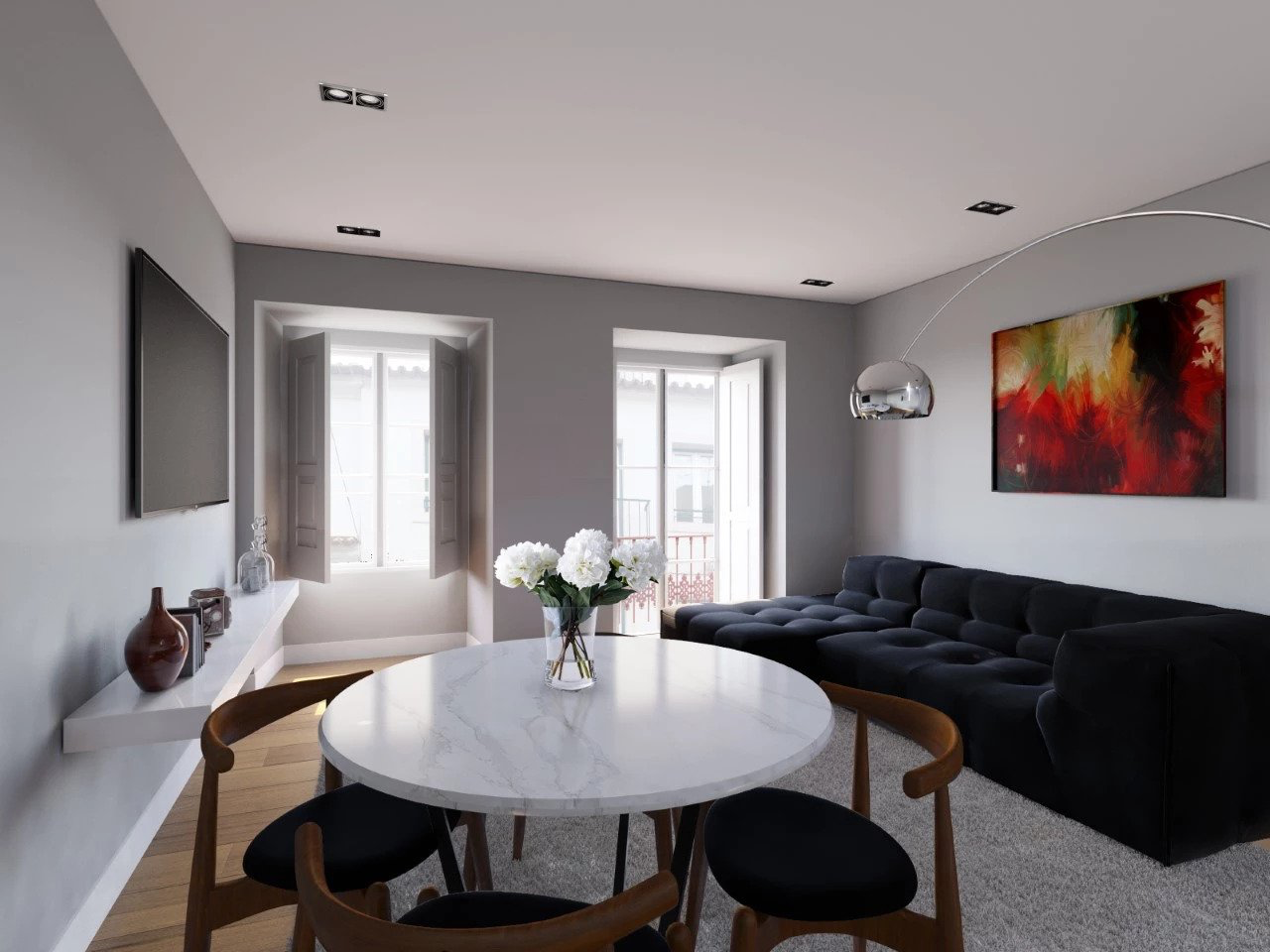
The apartment is located on the fourth floor of the rejuvenated 70-year-old building in a premium neighborhood in the heart of Lisbon. This location is perfect for travelers. The neighborhood alone offers a variety of cafes, restaurants, nightclubs, designer boutiques, beautiful nature, and romantic sites.
Bedrooms: 1
Bathrooms: 1
Gross area: 570.487 square feet
Price: € 518,700
Looking to invest in a rental property in Portugal? Please, get in touch.
We will connect you with a local broker and provide our full assistance in this process.